FIFA 2026: How to Experience the World Cup Like a Head of State
Without the motorcade.
The FIFA World Cup is the most-watched sporting event in human history. In 2026, it comes to Mexico, the United States, and Canada. For high-profile travelers, it represents a rare convergence of opportunity and risk.
The scale of what is coming
Forty-eight teams. One hundred and four matches. Sixteen host cities across three countries. Mexico City, Guadalajara, and Monterrey are the three Mexican host cities, and each operates within a distinct security profile. The matches begin in mid-June and run through mid-July. The compressed six-week window concentrates more high-profile movement into Mexico than any period in the country's modern history.
The compression problem
During World Cup weeks, the hotel inventory that normally provides privacy and buffer disappears. Suite availability collapses. Private villa inventory — the properties that a discerning traveler would choose in any other month — was reserved twelve to eighteen months in advance by those who saw this coming. The operational playbook for the tournament period is not the same as the playbook for the same city in October.
Coordination windows narrow. Driver availability constricts. Restaurant tables that would be routine to secure in a normal month now require relationships that took years to build. This is where the quality of the advisory relationship matters most, because the margin for improvisation is effectively zero.
Ground transportation during a mega-event
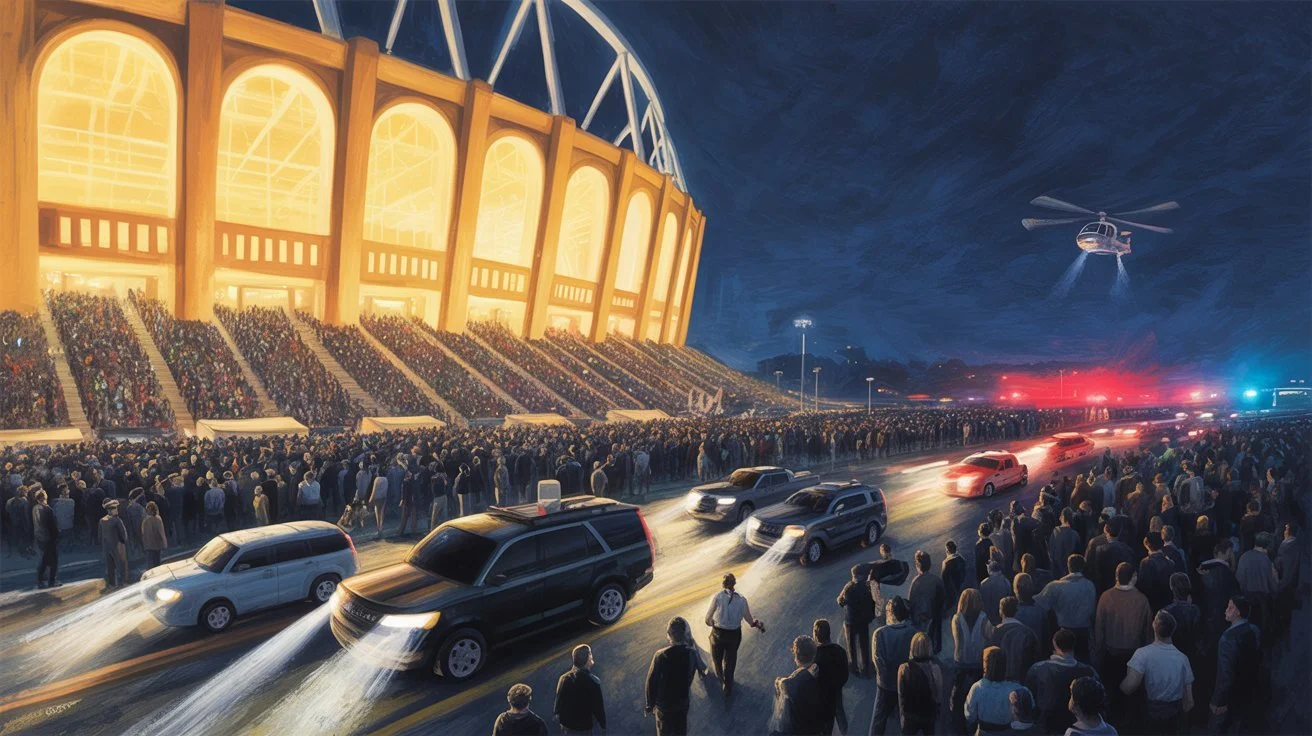
Traffic patterns, crowd density, and security perimeters radically change the movement calculus. A 20-minute drive in normal Mexico City conditions becomes 90 minutes during match days. The routes that work day-to-day are closed. Official motorcade corridors preempt planned itineraries without notice.
The travelers who move well during the tournament will be the ones whose ground plan was built around the match schedule, not around what a normal day in the city looks like. That plan needs to exist in multiple versions, with rehearsed alternates for each.
The VIP hospitality intelligence layer
Not all official World Cup hospitality packages are equal. Some offer genuine access — private entrances, curated dining, seating that matches the principal's preferences. Others offer proximity to crowds dressed up as access. Knowing the difference requires insider knowledge that is not documented on any package's marketing page. The family offices I work with have been briefed on this distinction in detail. The travelers who arrive without that briefing often find out the difference at the stadium gate, which is too late.
The dual-itinerary opportunity
Mexico offers something few World Cup destinations do: a complete and varied country within easy reach of the match cities. A few days in Mexico City for the matches, then a private escape to Riviera Maya, Oaxaca, Los Cabos, or Punta Mita for decompression. Designing the full arc — match experience, transition, restorative destination — is the difference between a trip that is defined by the games and a trip that is defined by the country.
The security overlay
Mega-events shift threat profiles. Pickpocketing surges. Opportunistic scams multiply. Foreign nationals in visible roles become more visible targets. Cartel dynamics in Jalisco, already elevated following the February 2026 CJNG leadership events, warrant specific attention for any traveler moving through Guadalajara during the tournament period. Proactive intelligence briefings are not optional for this trip. They are the baseline.
What this means
The World Cup happens every four years. A great World Cup experience, designed for someone at your level, happens once — if you prepare correctly. The reservations and the intelligence both need to be in place. This is not a trip to improvise.
What This Means
Three Mexican host cities, three distinct security profiles. Mexico City, Guadalajara, and Monterrey each require a different playbook.
Hotel and villa inventory compressed 12–18 months ago. Travelers still improvising in April are already behind those who prepared.
Ground movement is the single hardest problem during the tournament. Plan around the match schedule, not a normal day in the city.
VIP hospitality is not uniform. The difference between genuine access and crowd-adjacent seating is information that is not on any package's marketing page.
The dual-itinerary arc — match city plus restorative destination — is where Mexico outperforms other World Cup host nations for high-profile travelers.
End Note
Private travelers planning attendance at FIFA 2026 should begin logistical coordination well in advance of the tournament period. GO PRIVATELY LLC provides discreet advisory support for high-profile travel in complex environments.
The Intelligence Research Desk at GO PRIVATELY LLC
Current as of 01:00 EDT, March 23, 2026. All information sourced from publicly available intelligence. Verify current airport conditions before travel decisions.