Monaco
A risk assessment for private travel to the Principality, its events, and its coastline.
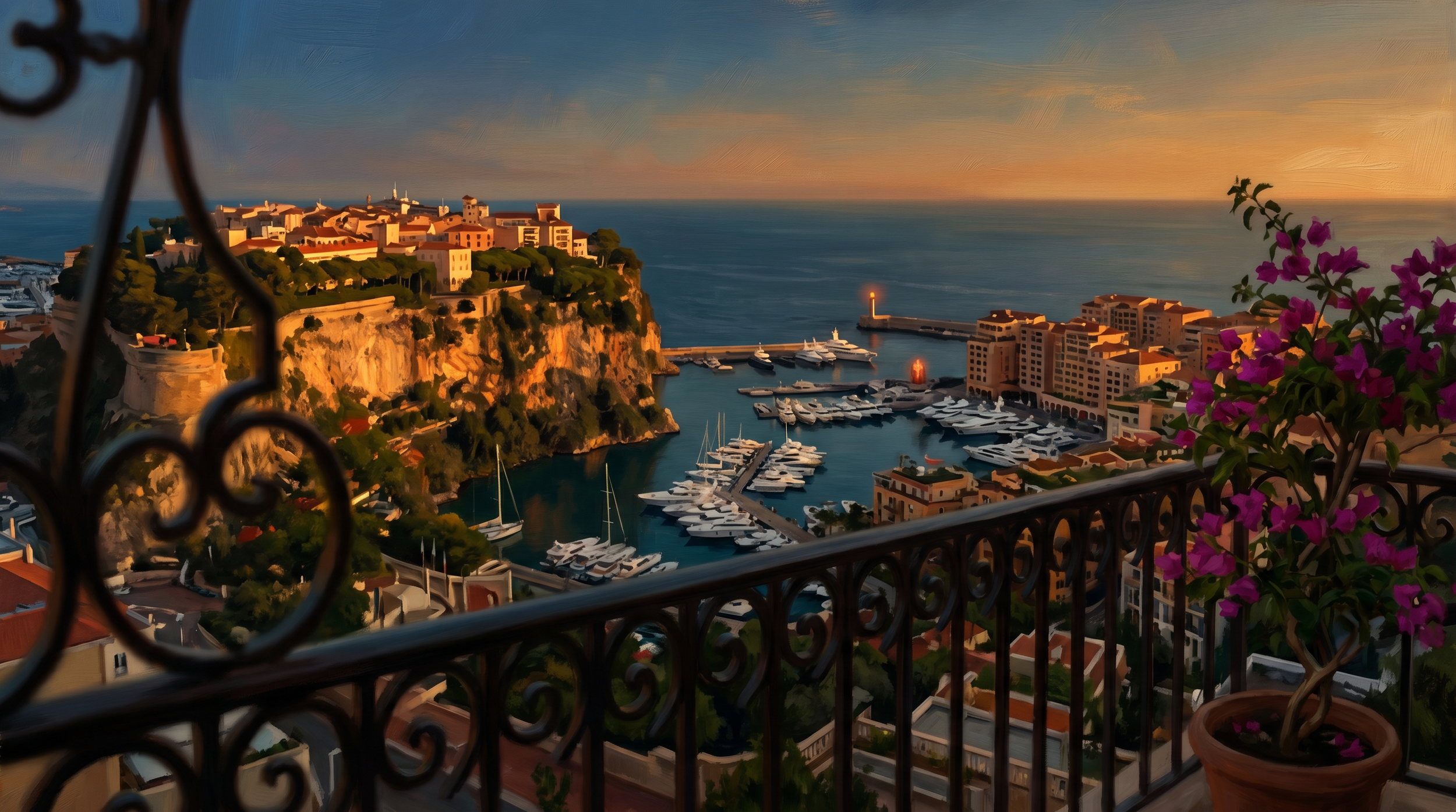
Monaco is among the safest destinations in Europe. For private travelers, the practical risk is rarely violent — it is the ecosystem that grows around wealth itself.
Overview
The Principality is small, tightly administered, and built for high-net-worth movement. Law enforcement density and CCTV coverage are among the highest in the world, and serious crime is a rarity.
The real work is in managing what comes with visibility — luxury theft, discreet surveillance, cyber exposure, and privacy pressure — particularly during the Grand Prix, the Yacht Show, and Monte-Carlo Casino events.
Quick Facts
Passport validity: at least three months beyond departure from the Schengen area; six recommended.
Blank pages: one required for entry stamp.
Tourist visa: not required for stays under 90 days.
Vaccinations: none required.
Currency declaration threshold: €10,000 or equivalent.
Risk Picture for Monaco
Luxury Theft and Opportunistic Crime
Risks
Expensive watches, jewelry, designer handbags, and vehicles are primary targets for opportunistic theft.
Pickpocketing and bag-snatching are uncommon but rise during the Monaco Yacht Show and the Formula 1 Grand Prix.
Luxury vehicles are targeted in poorly secured parking areas; hotel room theft is possible even at upscale properties.
High-Impact Crimes
Rare, but the concentration of high-value items during peak events widens the exposure window.
Scams and Fraud
Risks
Service overcharging in restaurants, nightclubs, and private-service arrangements.
Sophisticated approaches around high-end real estate, yacht charters, or white-label concierge services.
Fraudulent investment offers directed at visible wealthy visitors.
High-Impact Crimes
Financial rather than physical. The damage is usually absorbed quietly and only discovered after departure.
Cybersecurity
Risks
Hotel and public Wi-Fi networks are attractive targets during high-profile event weeks.
Targeted surveillance and eavesdropping attempts against private travelers, both from criminal groups and from private parties tracking a specific figure.
High-Impact Crimes
Data compromise and communications interception are the practical concerns.
Privacy Exposure
Risks
Paparazzi and unsolicited media attention around luxury hotels and private events.
Drone activity during large events, particularly the Grand Prix.
High-Impact Crimes
Personal privacy erosion; secondary impact on family members and staff.
High-Impact Crime
Risks
Low terrorism risk, but not zero given the proximity to France and the media weight of Monaco's events.
Civil unrest in Monaco itself is rare; protest activity in adjacent French regions can disrupt travel.
High-Impact Crimes
Situational awareness during large-scale gatherings is the baseline standard.
Event Windows That Elevate Risk
Monaco Grand Prix (May)
Elevated pickpocketing, scam activity, and crowd-related incidents.
Draws a concentrated population of VIPs and celebrities, which raises the luxury-theft profile.
Private transport, crowd avoidance, and personal security are the baseline posture for attendees.
Monaco Yacht Show (September)
Concentration of high-net-worth visitors raises the profile for discreet criminal activity.
Yacht security teams, safe-deposit discipline, and controlled visibility of personal valuables.
Monte-Carlo Casino Events
The casino itself is secure; the pressure sits in bars, lounges, and adjacent corridors.
Personal belongings should stay within arm's reach; side conversations involving money should stay private.
Security Posture for Monaco
Vetted private chauffeurs; luxury vehicles with GPS tracking and controlled parking.
A quiet public profile: understated jewelry and watches in public areas; private-entrance use at public events where available.
Top-tier hotels with 24/7 surveillance, private-floor or private-suite access, and robust safes; for private residences, confirmed CCTV, alarm, and gated entry.
Yacht security protocols including anti-intrusion systems, secure moorings, and a vetted crew.
Encrypted communications, private Wi-Fi devices, and avoidance of open hotel or venue networks without a VPN.
Non-disclosure agreements with staff and third parties where appropriate; social-media discretion for real-time locations.
Emergency Contact Information
U.S. Embassy Paris (nearest embassy): 2 Avenue Gabriel, 75008 Paris. Phone and emergency: +33 1 43 12 22 22. Website: https://fr.usembassy.gov/.
U.S. Consulate General Marseille: Place Varian Fry, 13286 Marseille. Phone: +33 4 91 54 92 00.
Principal medical facility: Centre Hospitalier Princesse Grace (CHPG), 1 Avenue Pasteur, 98000 Monaco. Phone: +377 97 98 99 00. Website: https://www.chpg.mc/.
Medical evacuation coverage should be confirmed in the traveler's insurance plan; the closest major international hospital is in Nice.
Conclusion
Monaco is designed for private travel. Violent crime is not the exposure point — luxury theft, fraud, cyber intrusion, and privacy pressure are. A quiet public profile, secured transport, and disciplined cybersecurity keep the visit inside the Principality's very low baseline.
The Intelligence Research Desk at GO PRIVATELY LLC
All information sourced from publicly available intelligence. Conditions evolve; verify current status before operational decisions.